A Child Has Just Died. Will Justice Be Served?
-an article by Sean Heart, December 30, 2025
Stock photos by: Mahmoud Sulaiman, Mahdi Bafande, Kyle Nieber, Hansjorg Keller, Kyle Glenn & History in HD
The most basic human right recognized by international conventions is the right to life. It is not a conditional right, like some privileges are, but a fundamental right inherent to every human being from birth.
This right is most severely tested during armed conflict, where political decisions made far from the battlefield can determine whether civilians, including children, are protected or placed in harm’s way.

An infant coming into this world faces a future of infinite possibilities, maybe they will grow up and become doctors or teachers, or maybe simply a loving and cherished family member. The main thing is not what they become, but that they are allowed to become at all.
This fundamental right places an unavoidable responsibility on adults to protect life, and demands accountability when that responsibility is ignored or betrayed. That accountability must be exercised by just and independent bodies of justice, capable of acting when this right is set aside.

This responsibility involves both acting on behalf of the population that elected you, and resisting as a member of that same population when the ideals of a just society are being erased. Inaction in the face of government wrongdoing is not neutrality, it is complicity.
But how far does that responsibility extend? In today’s interconnected world, does it stop at our national borders, or does it go further? Human rights organizations around the world increasingly agree that states are responsible for considering how their foreign political choices affect the rights of civilians everywhere.

When two nations go to war, or when a state attacks territory beyond its own borders, international law requires that children and civilians be protected through restraint and care in the conduct of hostilities. This obligation goes to the heart of the right to life as it applies in armed conflict.
Protocol Additional to the Geneva Conventions of 12 August 1949,
and relating to the Protection of Victims of International Armed Conflicts (Protocol I)
Article 48 — Basic rule
“In order to ensure respect for and protection of the civilian population and civilian objects, the Parties to the conflict shall at all times distinguish between the civilian population and combatants and between civilian objects and military objectives and accordingly shall direct their operations only against military objectives.”
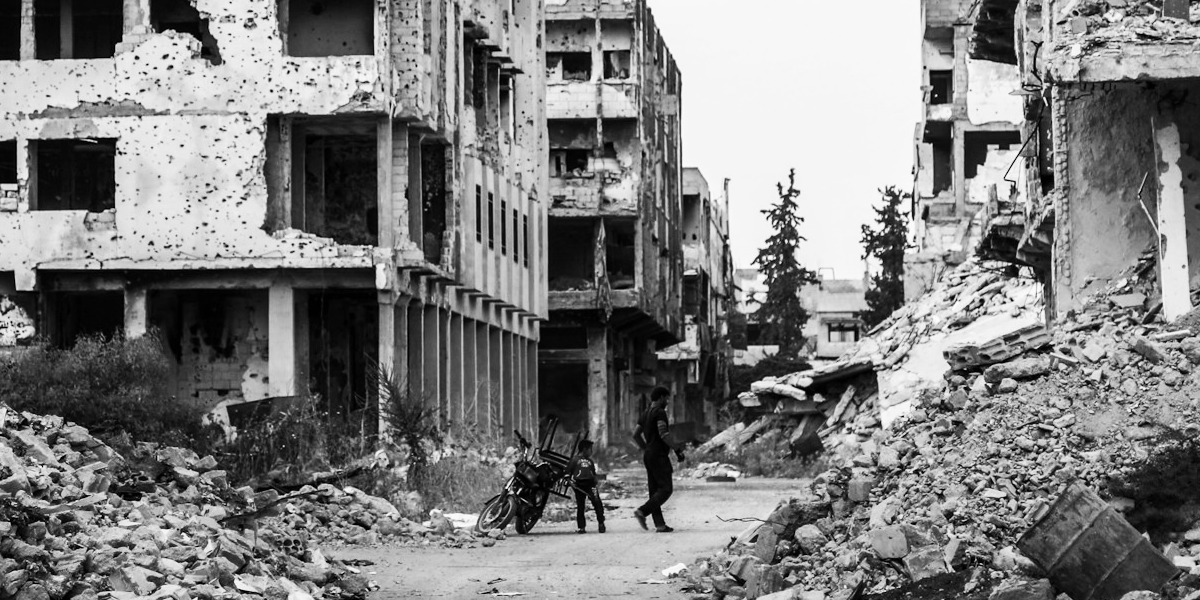
Taken together, international law clearly establishes that states bear responsibility for the effects of their actions beyond their borders, and that they must exercise extraordinary care in armed conflict. Yet violations remain widespread, while accountability is rare. Why?
The main reason for this outcome is geopolitical strategy. In practice, national interests are often placed above the protection of individual human rights, including the right to life. This is not just an interpretation of world politics, but something senior policymakers have openly acknowledged.
For example, Barack Obama said in a 2016 interview: “If we are going to be effective in the world, there are times where we have to work with governments that do not fully reflect our values.”
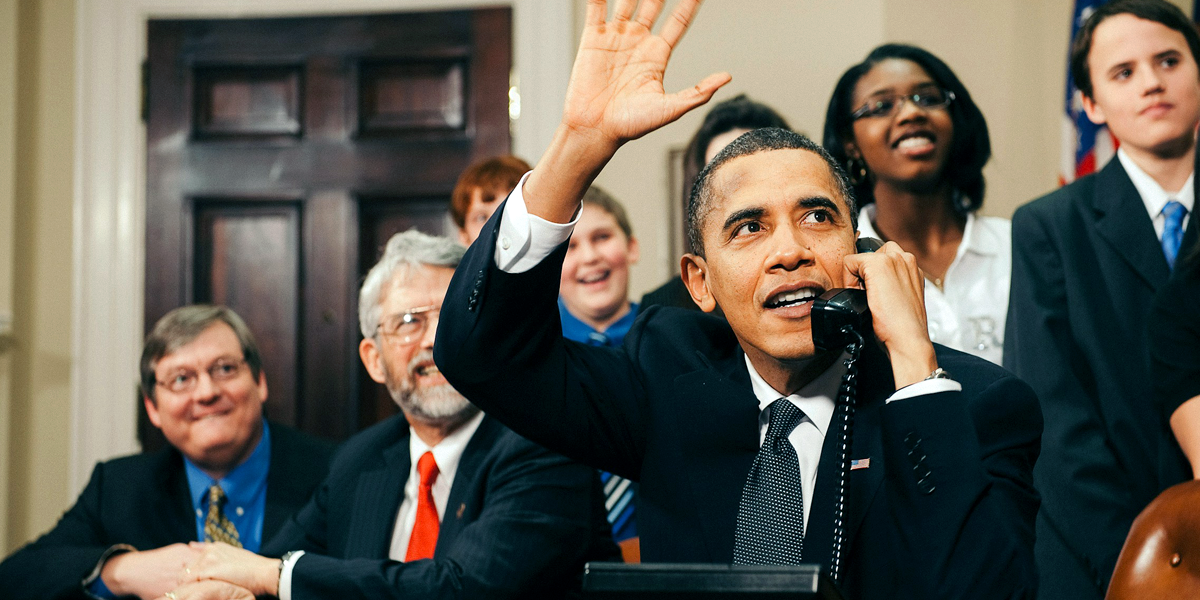
Obama’s stance is not unique in politics. Many world leaders share this view and often frame their decisions as weighing harms under limited and constrained options. In doing so, Western democratic states may knowingly tolerate ongoing human rights violations when these are judged preferable to the outcomes expected from inaction.
If a strategically important ally to another nation is at war, and that nation inflicts an intolerable amount of civilian casualties on their opponent during conflict, the allied nation may very well accept an explanation that the deaths were unintentional or a result of self defense even if the amount of children dead is widely seen as intolerable.
It is therefore fair to argue that this geopolitical stance creates a slippery slope, in which repeated political acceptance of extreme civilian harm makes meaningful accountability progressively harder to maintain. Over time, this weakens the practical enforcement of international law, even when formal legal standards remain unchanged. It is in other words difficult to enforce international human rights law if enforcing nations do not agree on the severity of violations.

For the child whose life is taken before it has truly begun, this policy of violation acceptance is the essence of inhumanity. It is a real-time denial of the individual right to life, carried out with the expectation that the harm will be politically accepted rather than meaningfully challenged.
An uncomfortable question that many feel must be answered is whether we have failed our civilian populations by not protecting them, allowing geopolitical interests and strategic goals to take precedence over children’s right to continue living. It is a question some may fear will only be answered when disaster strikes in ways we cannot yet imagine.