From security to control: Chinas surveillance state and the choices democracies face
Article by Sean Heart, December 22, 2025
photography by: Bo Zhang, Bohang Lee and Frederik Lipfert
How much surveillance should citizens be willing to accept from their governments, and how much privacy are we prepared to sacrifice in the name of personal security? This question is far from new, yet it remains deeply relevant as 2025 draws to a close.
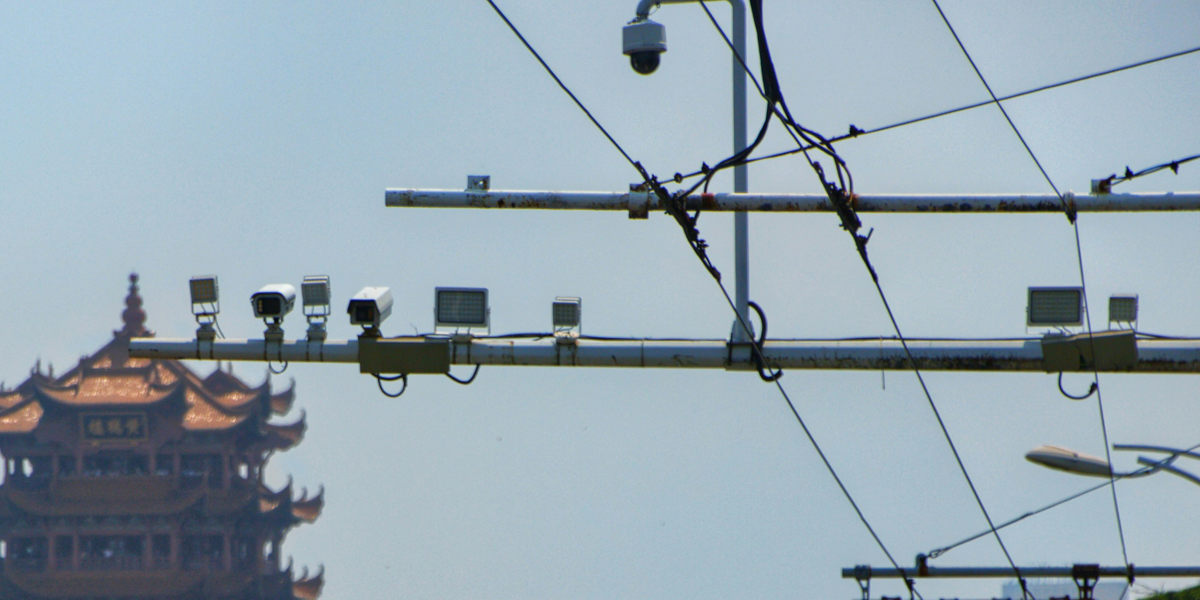
Text messages, app communications, personal photos stored in the cloud, call metadata, and app download histories are now routinely collected or accessible in many parts of the world. Add to this the presence of cameras on nearly every street corner and the growing use of biometric data to access public and private services, and the picture begins to resemble the plot of a dystopian thriller.
For millions of people in China, however, this is not fiction. It is everyday life.

In China collaborations between the Chinese government and among others American tech companies, have created an enormous network of surveillance data collection points. It is estimated that in China alone, more than 700 million surveillance cameras both with and without facial recognition are installed. Nearly one for every two people with expansions still ongoing.
The Chinese surveillance of its citizens is not only done by camera, but also with the use of telecommunications data, social media data, citizen purchase history, travel history, biometric data, and even camera analysis of the gaits of citizens, which is basically an analysis of how you walk.
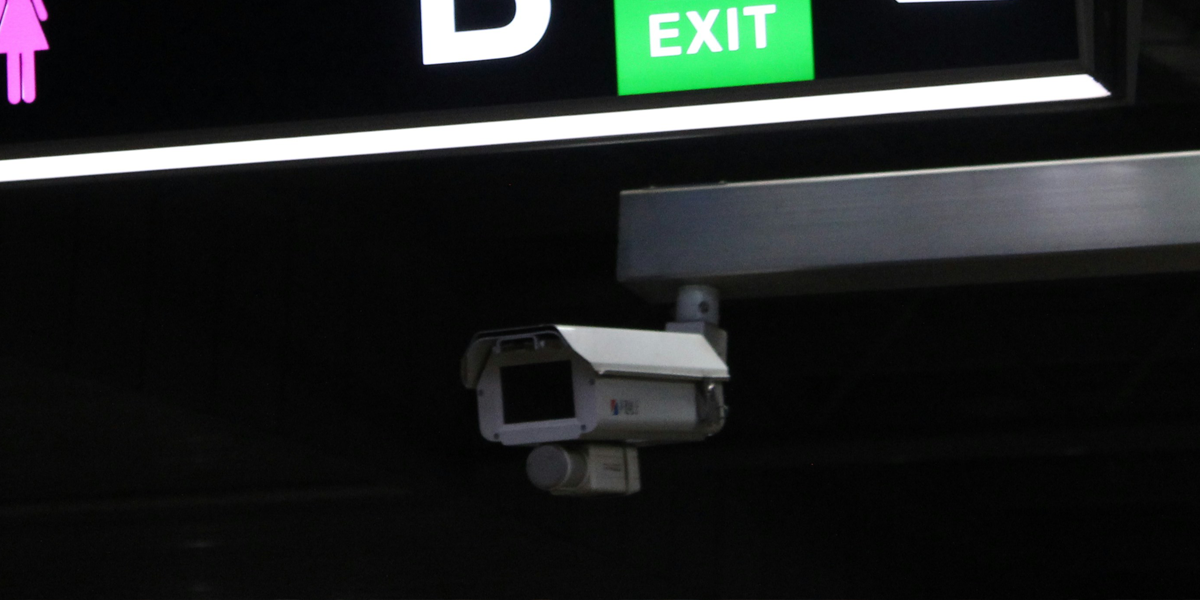
The primary function of these systems is political control. Communications, movement, social interactions, and biometric data are being fused into an expanding surveillance architecture whose direction of travel is near real-time population visibility. Even without total coverage, this enables the state to monitor, predict, and intervene in citizen behavior with unprecedented immediacy.
The surveillance state in China is not nationally contested. Domestic journalists, rights advocates, and other critics face criminalization and repression when they object, while the Communist Party maintains centralized control over legislation, courts, security institutions, and media. This enables the use of expansive surveillance systems without meaningful domestic challenge, despite sustained objections from international human rights organizations.

The risk of political oppression through surveillance is not limited to China and is widely debated in Western democracies. In the European Union, strict laws such as the GDPR and the AI Act are designed to prevent biometric mass surveillance. These rules sharply limit the use of AI-based surveillance, especially real-time biometric identification, allowing it only in narrowly defined cases like serious threats or missing persons investigations. Broad or unrestricted use is prohibited.
In the US, the use of AI and data surveillance is widely debated, and civil liberties groups have raised concerns about weakening citizen protections. In 2025 a federal judge ruled that President Trump’s removal of Democratic members from the independent Privacy and Civil Liberties Oversight Board was unlawful, underscoring ongoing disputes over the need for independent oversight of government surveillance and privacy practices.
Rights organizations warn that surveillance built for security can become a tool of political control, and that protecting citizens must not come at the cost of their privacy, autonomy, and freedom. In other words, citizens must be cautious not to give access to everything in our private lives, as the freedom and security this momentarily provides, can be turned against us within the course of a single election.