The new National Security Strategy of The Unites States of America reads like a worldwide horror story.
Article by Sean Heart, December 19, 2025
The newly released National Security Strategy of the United States of America is a deeply unsettling document. Rather than offering reassurance to allies or stability to the global order, it reads as a sharp break from long-standing U.S. foreign and security policy.
From the very first paragraph, the strategy departs from tradition. Instead of placing national security within a shared democratic legacy, it opens with an attack on the former administration and quickly moves on to praise the current one. This sets the tone for a document that is less about continuity and more about confrontation.
Released in November 2025, the strategy was closely watched by U.S. allies, especially in Europe. There, continued American support for Ukraine is widely seen as vital to ending Russia’s illegal war of aggression. Many European leaders had hoped the document would clearly confirm Washington’s long-term commitment. Instead, it has raised serious concerns.
Across Europe, reactions have been mixed but largely critical. European Commission President Ursula von der Leyen responded directly to the strategy’s portrayal of Europe and its language that appears to give political cover to far-right movements. She stated:
“No one should interfere in the affairs of the European Union.”
Her comment was widely understood as a defense of Europe’s democratic independence and its right to make its own political choices.
French President Emmanuel Macron chose a more careful tone. He stressed the importance of maintaining close ties between Europe and the United States, especially in support of Ukraine. At the same time, his remarks suggested that partnership must be based on respect, not pressure.
Germany’s Chancellor, Friedrich Merz, was more blunt. Responding to what many in Europe see as a condescending view of European democracy, he said:
“I see no need for the Americans to now want to save democracy in Europe.”
One section of the strategy has been particularly troubling for European readers. On page 25, the document describes Europe in language that many view as harsh and ideological:
“But this economic decline is eclipsed by the real and more stark prospect of civilizational erasure. The larger issues facing Europe include activities of the European Union and other transnational bodies that undermine political liberty and sovereignty, migration policies that are transforming the continent and creating strife, censorship of free speech and suppression of political opposition, cratering birthrates, and loss of national identities and self-confidence.”
For many European officials and analysts, this passage sounds less like a balanced security assessment and more like a political judgment that mirrors talking points from nationalist movements.
The strategy also signals a broader move away from multilateral cooperation. In another key passage, the document states:
“We stand for the sovereign rights of nations, against the sovereignty-sapping incursions of the most intrusive transnational organizations, and for reforming those institutions so that they assist rather than hinder individual sovereignty and further American interests.”
This language has been widely read as criticism of NATO, the European Union, and other international institutions that the United States itself helped build.
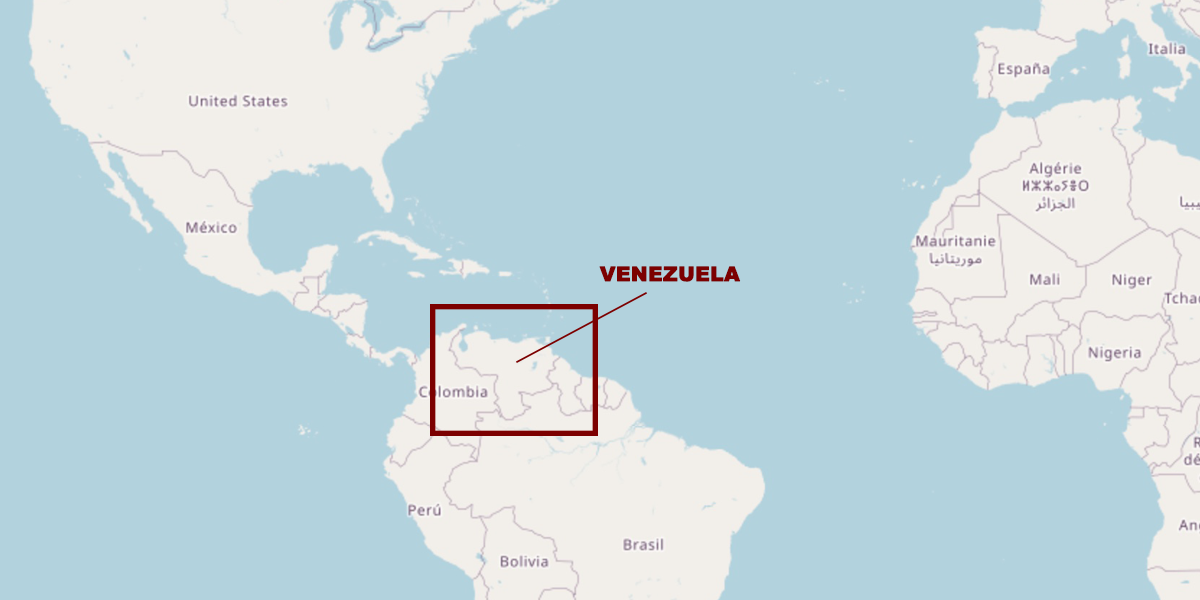
Concerns are not limited to Europe. In South America, the strategy outlines plans for targeted U.S. military deployments to secure borders and combat drug cartels, along with expanded access to strategically important locations. Critics in the region warn that this approach echoes past U.S. policies that led to instability and resentment.
In Africa, the document points to a shift away from aid-based engagement toward a more transactional model. Partnerships are framed mainly in terms of trade and access to resources, rather than long-term development or humanitarian support.
Asia is treated differently. The strategy makes clear that the United States is ending the open trade approach toward China followed by earlier administrations. China is described as a major threat, especially due to its control over rare earth minerals and other critical materials essential to modern technology.

Taken together, the strategy suggests a major change in how the United States sees its role in the world. According to many political leaders and security experts, it marks a move away from supporting a shared international order and toward a policy driven mainly by narrow national interest.
The consequences could be far-reaching. Allies are left uncertain about future commitments, while authoritarian leaders may feel encouraged by a weakening focus on democratic values and collective responsibility.
Whether this strategy will ultimately make the United States safer remains an open question. What is already clear is that it has shaken trust among allies and challenged assumptions that have shaped global security for decades.