Greenland Is a Proud Nation — Not a Product for Sale
Article by Sean Heart, December 26, 2025
photography by: Ken Mathiasen, Johannes Plenio, Naja Bertolt Jensen, The New York Public Library.
In August of 1916, the then Secretary of State of the United States, Robert Lansing, recognized Danish sovereignty over Greenland. This declaration, known as the Lansing Declaration, was not an acceptance of Denmark acquiring new territory, but rather a recognition of territory that Denmark already claimed — and had claimed since the early 1700s.
Denmark, like many colonial powers, has a long history of policies in Greenland that negatively affected the Greenlandic population. These were not isolated missteps, but structural shortcomings rooted in colonial governance. In recent decades, Denmark has taken steps to address this legacy through reforms, acknowledgements, and expanded self-government for Greenland, while the consequences of colonial rule are still being reckoned with.
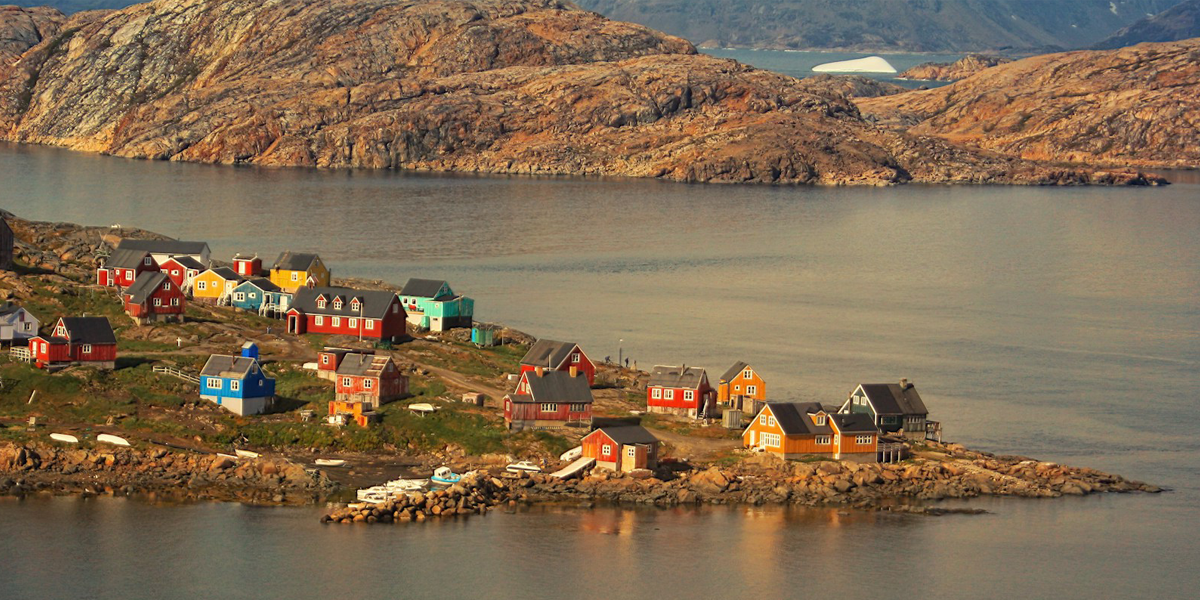
Today, Greenland is a proud, self-governing nation with its own national parliament and a strong local culture deeply rooted in the natural beauty and environment of the island. Community interdependence has historically played an important role in daily life and survival. Respect for nature and the surrounding landscape remains a central value and is treated as vital to the nation’s identity. Nature is not merely a resource, but an integral part of cultural life.
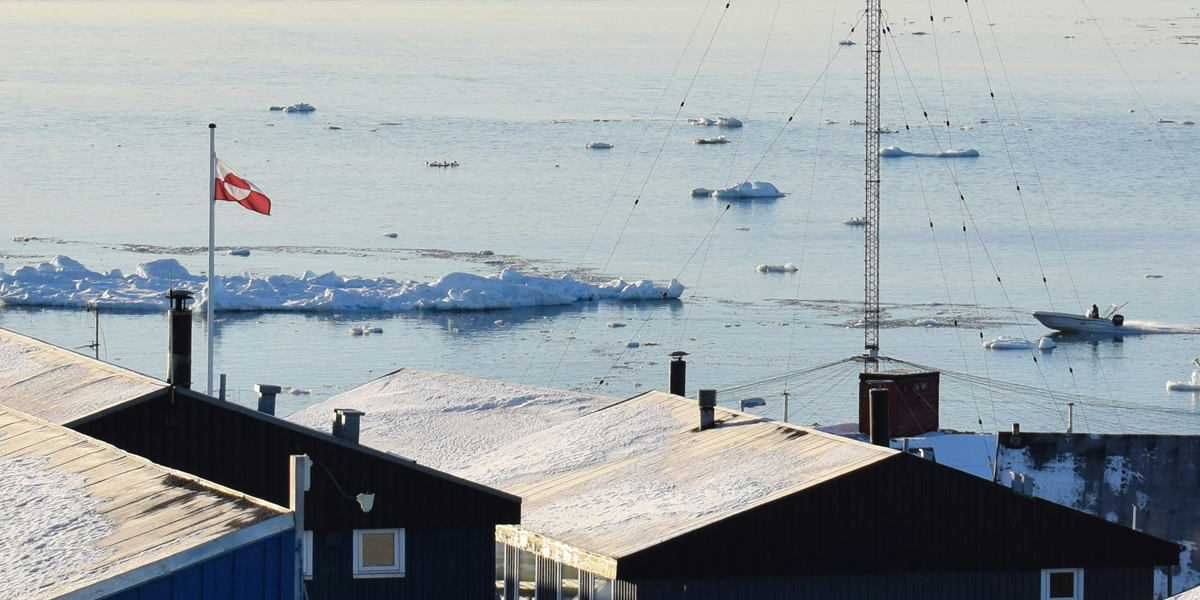
Many Greenlanders emphasize community and collective decision-making, which contrasts with more individualistic traditions commonly associated with Western societies. Periods of silence in conversation are culturally normal and comfortable, while overt self-promotion is often viewed critically. Hunting continues to hold an important place in Greenlandic identity, symbolizing self-reliance, tradition, and resilience.
Greenland has many cultural identifiers — from language and arts to social traditions — that underscore its distinct national character. The country occupies a unique position in the North Atlantic and warrants respect and consideration for its people, history, and culture.
In other words, Greenland is a country with a distinct political and social identity, and its status should be approached with respect by other states. It should not be understood as a commodity, nor simply as territory subject to external claims.
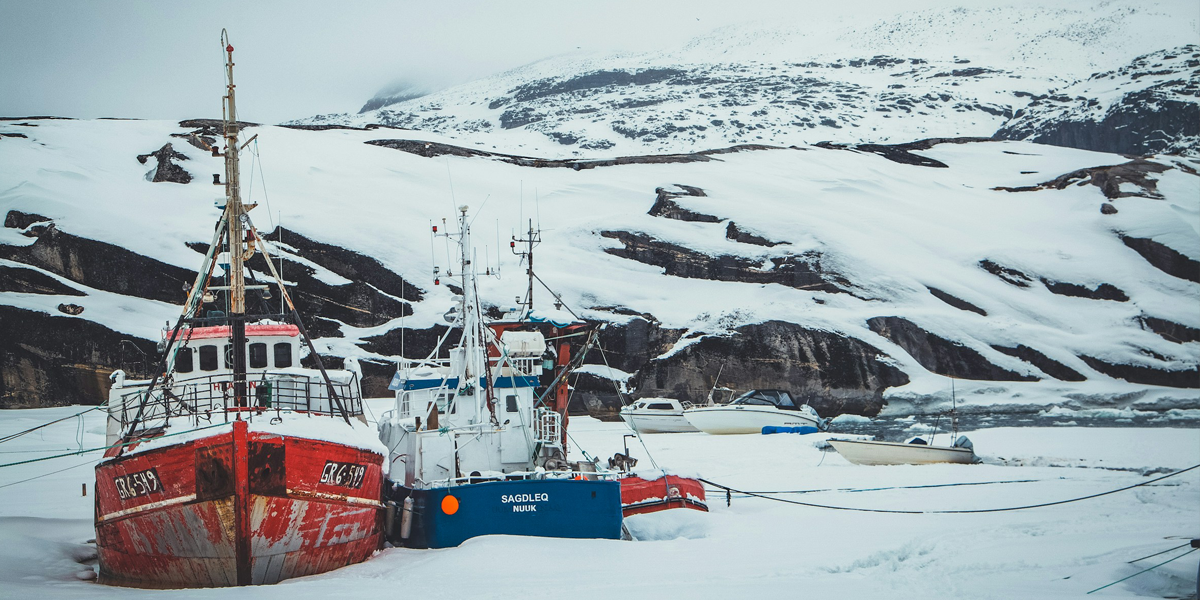
Greenlanders have reportedly reacted with displeasure to statements from American politicians suggesting the purchase or invasion of Greenland. In a poll conducted in early January 2025 by the polling firm Verian, approximately 85% of respondents said no when asked whether Greenland should leave the Danish realm to instead join the United States. Only 6% responded yes. This poll is widely regarded as the most reliable conducted on the subject in Greenland and has been published by the Danish newspaper Berlingske and the Greenlandic newspaper Sermitsiaq.
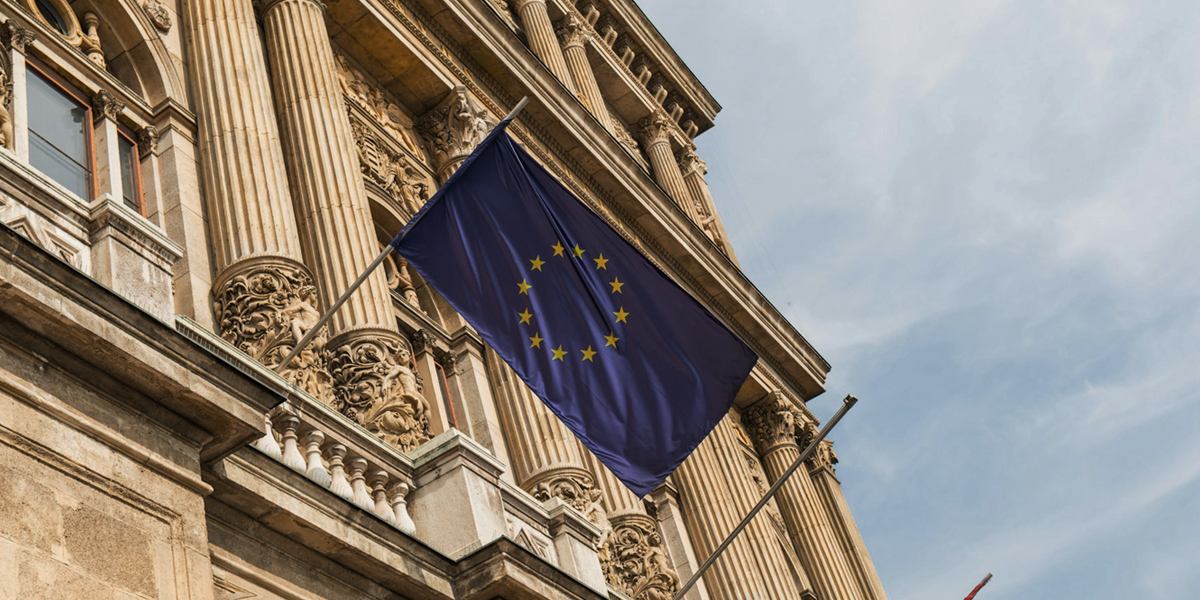
Recent reactions from politicians in the EU have also expressed concern over continued U.S. rhetoric regarding Greenland. The U.S. President recently appointed Louisiana Governor Jeff Landry as a special envoy to Greenland. Landry has stated that he intends to advocate for Greenland becoming part of the United States, a position that has drawn strong criticism in both Copenhagen and Nuuk. In response, Denmark summoned the U.S. ambassador to clarify Washington’s position. EU leaders have likewise expressed support for Denmark and emphasised the importance of respecting territorial sovereignty.
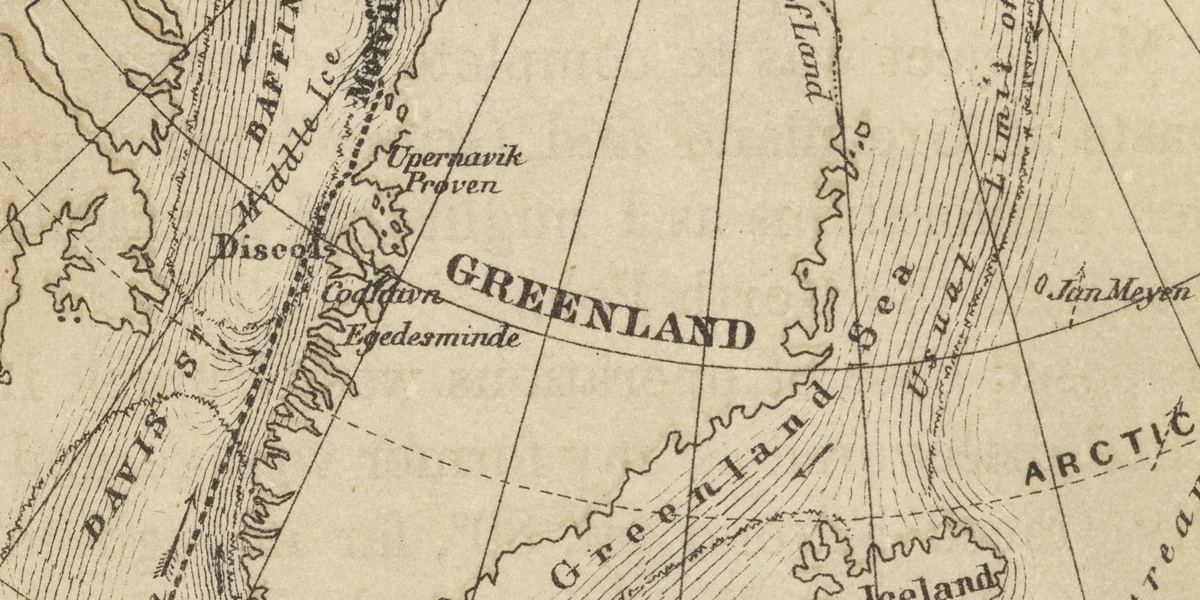
The connection between Greenland and Denmark remains strong. Greenland maintains a close relationship with Denmark and operates within a mutually accepted self-government framework. While there is broad alignment regarding Greenland’s current autonomous status, perspectives differ on the pace and scope of any future independence. Greenland remains part of the Kingdom of Denmark, and as Denmark is a founding member of NATO, the protections of NATO’s Article 5 also extend to Greenland.
The future of Greenland is not in doubt if all actors recognise the importance of respecting the complexity, culture, and political reality of the nation. Calls for de-escalation rather than confrontation have been echoed by Danish Prime Minister Mette Frederiksen and Greenland’s Premier Jens-Frederik Nielsen, who have both stressed the importance of respecting the rights of nations and maintaining stability through dialogue.