Why EU Sanctions Still Matter — Even as Russia Finds New Trade Partners
Article by Sean Heart, December 23, 2025
photography by: Collab Media, Tina Hartung, Viktor Solomonik and Pergiovanni Di Blasi
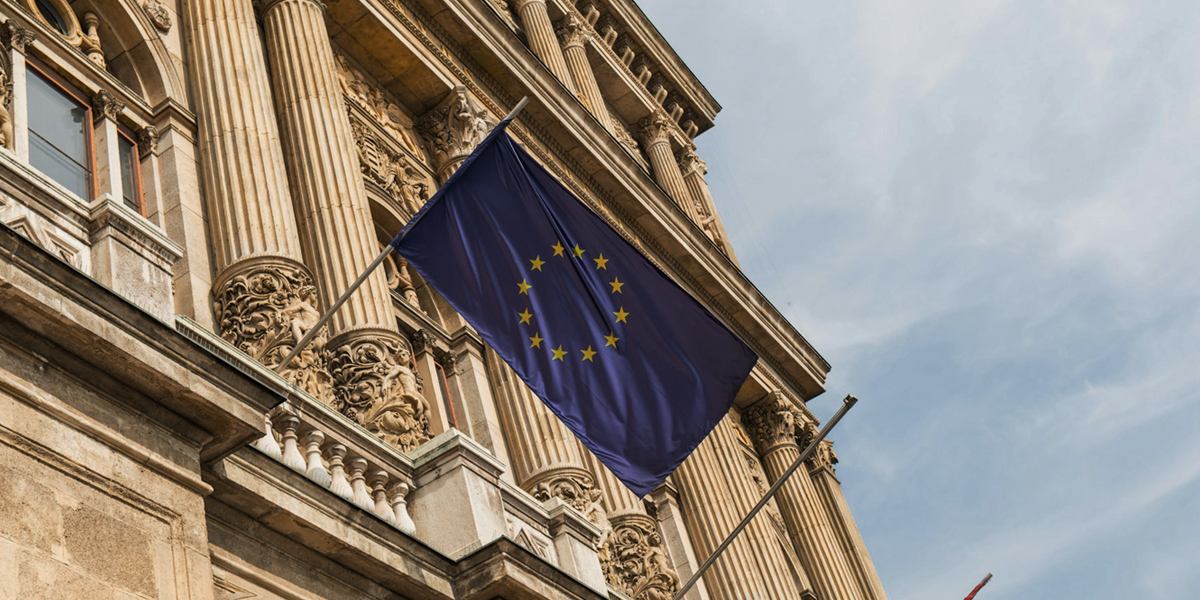
A right-wing narrative gaining ground in the European Union claims that EU sanctions have failed. Critics of the sanctions often cite Russia’s continued energy revenues and new trade partnerships as evidence.
We chose to take these statements to the test in this article, and we found some very interesting things when we dug a little deeper into the Russian economy, one of them being the ability to understand the difference between headline-revenue and profit!
In 2022, the year of Russia’s invasion of Ukraine, the Russian Federation recorded total trade revenue of roughly $980 billion. Careful estimates suggest that the profit generated from this trade amounted to around $290 billion.

This is where the difference between revenue and profit becomes crucial. While Russia has managed to protect much of its trade revenue by 2024, the picture looks very different when profits are examined. In 2024, total trade revenue is estimated at about $802 billion, but the profit fell sharply to an estimated $130 billion.
In other words, Russia continues to trade at scale, but it earns far less from that trade than it did before.
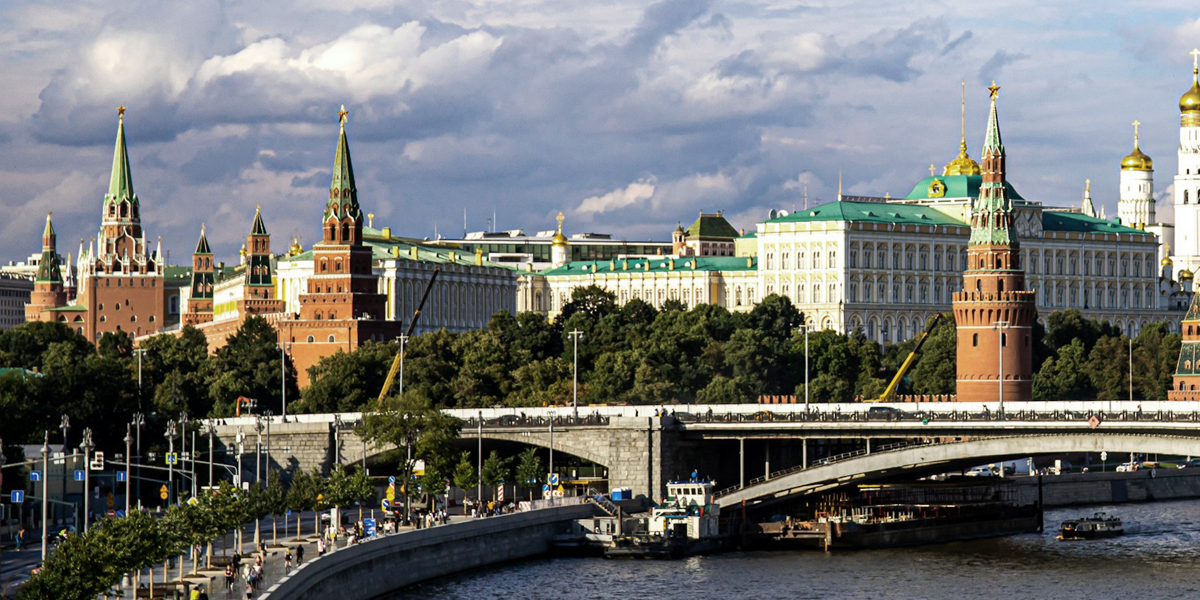
The reason for the reduction in profit, is to be found in the fact that Russias continuing and expanding trade partners, which include among others, China, India, Turkey and Pakistan, simply only buy Russian energy and products if Russia provides substantial rebates and low prices. At the same time, the delivery costs of these products to these countries, are much higher than delivery costs to the EU used to be. One of the key Russian exports which had very high profitability, used to be pipeline Gas to the EU, and that sale according to one set of data, has been reduced from 63.8 bcm(billion cubic meters) in 2022 to around 28.3 bcm in 2024, a reduction of more than 50 % in actual volume.
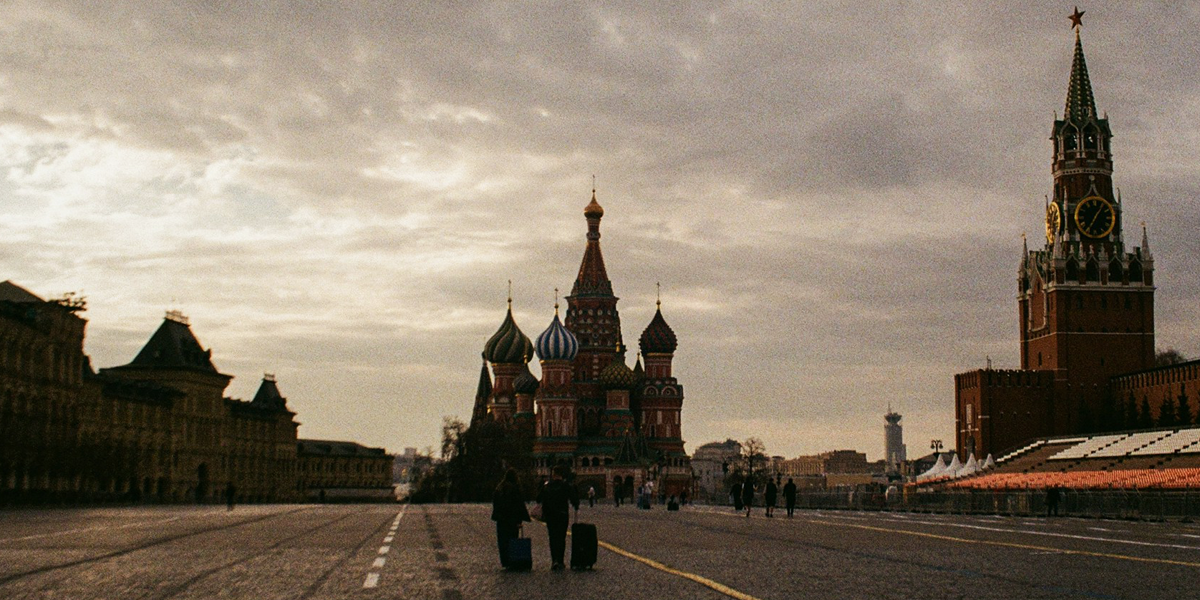
All this data points in only one direction, toward a Russian economy severely crippled by EU sanctions over the war in the Ukraine and trade partnerships lost, partnerships which might even be hard for Russia to re-establish once the war is over.
This leaves very little incentive for the EU to stop or alter its present course of action, as this action is clearly working exactly as intended. The intentions of course, to reduce the resources available for Russian military spending, and the ability to wage war on the Ukrainian people.